
For decades, real estate investing has been structured around a simple choice: you either invested for rental income, for capital appreciation, or for personal use. Rarely all three. Today, this model is evolving. A new category is emerging globally, 'lifestyle real estate investments', where financial performance and personal enjoyment are no longer mutually exclusive.
A Structural Shift in Global Demand
Several long-term trends are reshaping how people invest in real estate. First, a more flexible, global lifestyle: the way people live and work has changed, mobility has increased, and more individuals now split their time across multiple destinations. Platforms like Airbnb have seen a significant rise in longer stays, reflecting a growing demand for flexible living and work-from-anywhere environments.
Second, a strong rebound in international travel. According to the UN World Tourism Organization, international travel is approaching, and in some regions exceeding, pre-pandemic levels, reinforcing sustained demand in key destinations such as Dubai, Bali, and Miami, which continue to attract both short-term visitors and long-term residents, supporting occupancy and rental performance.
Third, attractive short-term rental performance. In prime locations, short-term rental strategies have become increasingly competitive. In Dubai, well-positioned assets can generate roughly 6-8% net annual returns over time. In Bali, premium villas can achieve double-digit gross yields, depending on positioning and management. In Miami, performance varies by zone but remains attractive in select areas. These markets reward assets that combine strong fundamentals with thoughtful design and operations.
What Defines a Lifestyle Real Estate Investment?
A lifestyle real estate investment is not simply about owning property in a desirable location. It is about creating an asset that delivers on three dimensions: rental income, designed to perform on the short-term rental market through prime micro-locations, high-demand configurations, strong visual appeal and professional management; capital appreciation, positioned in markets with structural demand growth, limited high-quality supply, and ongoing development and infrastructure; and personal use, assets that are comfortable and functional, aesthetically refined, and aligned with the owner's lifestyle.
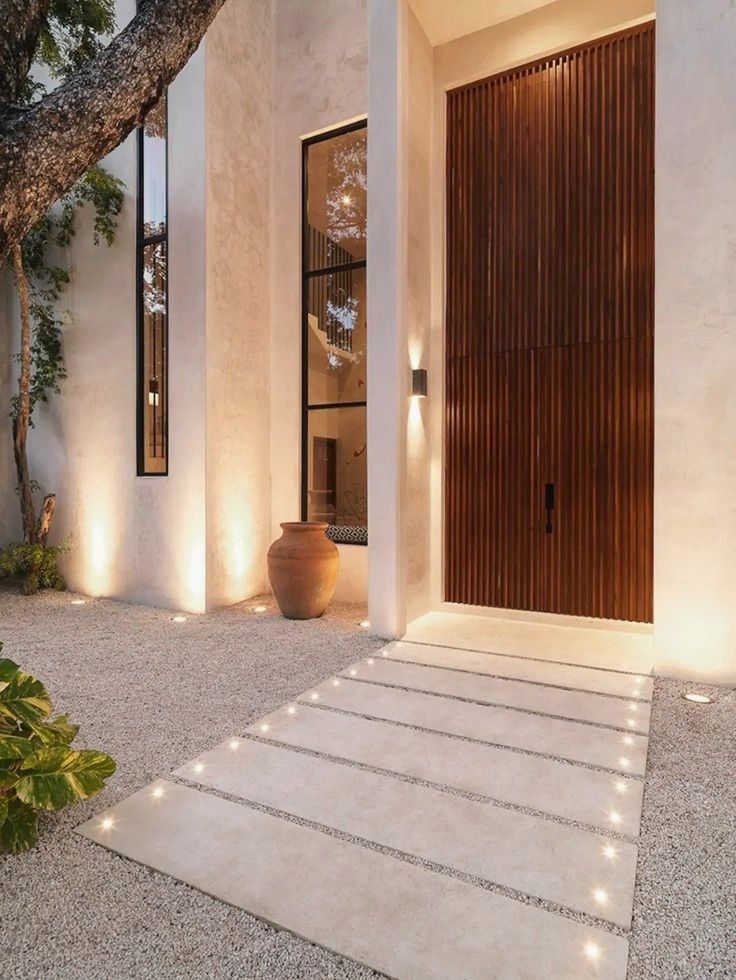
What differentiates high-performing lifestyle assets is not just location, it is the combination of several key elements: product, a design-led asset tailored to its environment and target audience; branding, a clear identity that enhances visibility and desirability; distribution, strong positioning across booking platforms and direct channels; and management, professional operations ensuring consistent performance over time. When these elements are aligned, the asset becomes both a financial investment and a lifestyle product.
Where We See Opportunities Today
At Bel Rive, we focus on markets where three factors converge: sustained international demand driven by tourism, lifestyle migration, and global capital flows; limited supply of high-quality, design-led assets; and strong operational potential. Today, this includes Dubai, Bali, and Miami, as well as a selection of emerging destinations.
Lifestyle real estate reflects a broader evolution in investor expectations. Beyond pure financial returns, investors are increasingly seeking flexibility, global exposure, and assets that integrate seamlessly into their lives. When approached with the right strategy, these investments can offer recurring income, long-term capital growth, and personal value within a single asset.
The convergence of lifestyle and investment is redefining real estate globally. As mobility increases and demand for high-quality experiences grows, assets that combine performance, design, and usability are becoming increasingly relevant. At Bel Rive, we approach this segment with a disciplined, end-to-end strategy, from sourcing and development to branding and operations, ensuring each asset is positioned to deliver both financial performance and long-term value.